There is a moment when you stand in your kitchen and realize something feels off, even if you cannot immediately point to the cause. The layout still works, the appliances still function, but the cabinets seem to hold the space back. Their finish may look dull, the color may feel outdated, or the overall style may no longer match your taste. Replacing cabinets can be expensive and disruptive, which is why many homeowners look for smarter alternatives. San Jose Cabinet Refinishing offers a variety of options that can completely transform the look of your space without starting from scratch.
Understanding Cabinet Refinishing and Its Value
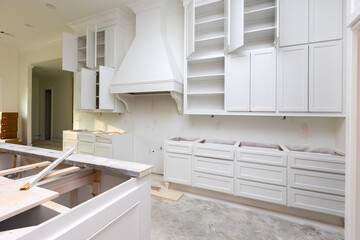
Cabinet refinishing is the process of restoring and updating the surface of existing cabinets rather than replacing them. It focuses on improving appearance while preserving the original structure. This approach allows you to achieve a fresh look without the cost and effort associated with a full renovation.
The value of refinishing lies in its flexibility. It provides multiple options that cater to different styles, budgets, and goals. Whether you want a subtle refresh or a dramatic transformation, refinishing can be tailored to meet your needs.
Another advantage is sustainability. By reusing existing materials, refinishing reduces waste and minimizes the demand for new resources. This makes it an appealing choice for those who want to update their space in a more environmentally responsible way.
Cabinet Painting as a Versatile Option
Painting is one of the most popular cabinet refinishing options because of its versatility and impact. It involves applying a new color to the cabinet surfaces after proper preparation, including cleaning, sanding, and priming. This method can completely change the look of your kitchen or bathroom.
One of the main benefits of painting is the wide range of color choices. Neutral shades such as white, gray, and beige create a timeless appearance that works well in most spaces. For those who prefer a more distinctive look, bold colors like navy blue or deep green can add character and depth.
The finish of the paint also plays an important role. Satin and semi gloss finishes are commonly used because they offer durability and are easy to clean. Painting is ideal for cabinets that are in good condition but need a visual update.
Staining to Enhance Natural Wood Beauty
Staining is a refinishing option that highlights the natural characteristics of wood. Instead of covering the surface, stain penetrates the material and enhances its grain and texture. This approach is well suited for those who appreciate a more organic and traditional look.
Different stain colors can significantly alter the appearance of cabinets. Lighter stains create a soft and airy feel, while darker tones add richness and sophistication. The choice of stain depends on the type of wood and the desired style.
Proper preparation is essential for staining. The existing finish must be removed, and the surface must be sanded evenly to ensure consistent absorption. A protective topcoat is typically applied afterward to seal the surface and improve durability.
Glazing for Depth and Character
Glazing is a decorative technique that adds depth and dimension to cabinets. It involves applying a semi transparent layer over a painted or stained surface. This layer settles into grooves and details, creating a subtle contrast that enhances the design.
This option is particularly effective for cabinets with intricate features. It brings out details that might otherwise go unnoticed, adding a sense of craftsmanship and character. Glazing can be adjusted to achieve either a subtle or more pronounced effect, depending on your preference.
The result is a finish that feels layered and unique. It works well in both traditional and transitional designs, offering a way to add visual interest without overwhelming the space.
Distressing for a Rustic and Aged Look
Distressing is a refinishing option that intentionally creates a worn or aged appearance. This technique is often used in rustic, farmhouse, or vintage inspired designs. It involves adding marks, sanding edges, or layering finishes to mimic natural wear.
The appeal of distressing lies in its ability to create a relaxed and lived in feel. It adds character and individuality to cabinets, making them stand out as a design feature. No two distressed finishes are exactly alike, which adds to their charm.
This option pairs well with warm colors and natural materials. It is best suited for those who want a more casual and inviting atmosphere rather than a sleek and modern look.
Two Tone Refinishing for a Modern Twist
Two tone refinishing is an option that uses different colors or finishes within the same set of cabinets. This approach creates contrast and adds visual interest to the space. For example, upper cabinets may be finished in a lighter color while lower cabinets feature a darker shade.
This technique helps break up the visual mass of cabinetry and can make the kitchen feel more dynamic. It also allows for creative expression, as different combinations can be used to achieve various styles.
Two tone designs are popular in modern and transitional kitchens. They offer a balance between boldness and harmony, making them an appealing choice for those who want something unique yet cohesive.
Refacing as a Comprehensive Alternative
Refacing is a more extensive option that is often considered alongside refinishing. It involves replacing cabinet doors and drawer fronts while applying a veneer to the existing frames. This method provides a more significant transformation than painting or staining alone.
Refacing allows you to change both the color and style of your cabinets. It is ideal for those who want a completely new look without replacing the entire cabinet structure. This option offers greater design flexibility while still being less disruptive than a full renovation.
Although refacing requires more effort and cost than other refinishing methods, it remains a practical alternative to replacement. It delivers a high impact result while preserving the existing layout.
Protective Finishes and Long Term Care
No matter which refinishing option you choose, applying a protective finish is essential. Topcoats help seal the surface and protect it from moisture, stains, and daily wear. This step ensures that the cabinets maintain their appearance over time.
Different types of topcoats are available, ranging from matte to gloss. The choice depends on the desired look and level of durability. A well applied topcoat enhances both the appearance and longevity of the cabinets.
Maintenance also plays a role in preserving the finish. Regular cleaning with gentle products helps prevent buildup that can dull the surface. Avoiding harsh chemicals and abrasive tools protects the integrity of the finish.
With proper care, refinished cabinets can remain attractive and functional for many years. This makes refinishing a worthwhile investment for those looking to improve their space.
Conclusion
Cabinet refinishing options provide a versatile and cost effective way to update your kitchen or bathroom. From painting and staining to glazing and refacing, each method offers unique benefits that cater to different styles and needs. The right choice depends on your goals, the condition of your cabinets, and the level of transformation you want to achieve.
By exploring these options and understanding their advantages, you can make an informed decision that enhances both the appearance and functionality of your space. Cabinet refinishing proves that a meaningful upgrade does not always require a complete overhaul. With the right approach, it is possible to achieve a fresh and modern look while making the most of what you already have.